Just a Moment Away: How Nucleate Chicago is Supporting Life Science Innovation and Expansion in the Midwest
A student-led chapter behind the incorporation of six companies, $17 million in raised funding, and the creation of over 30 local jobs
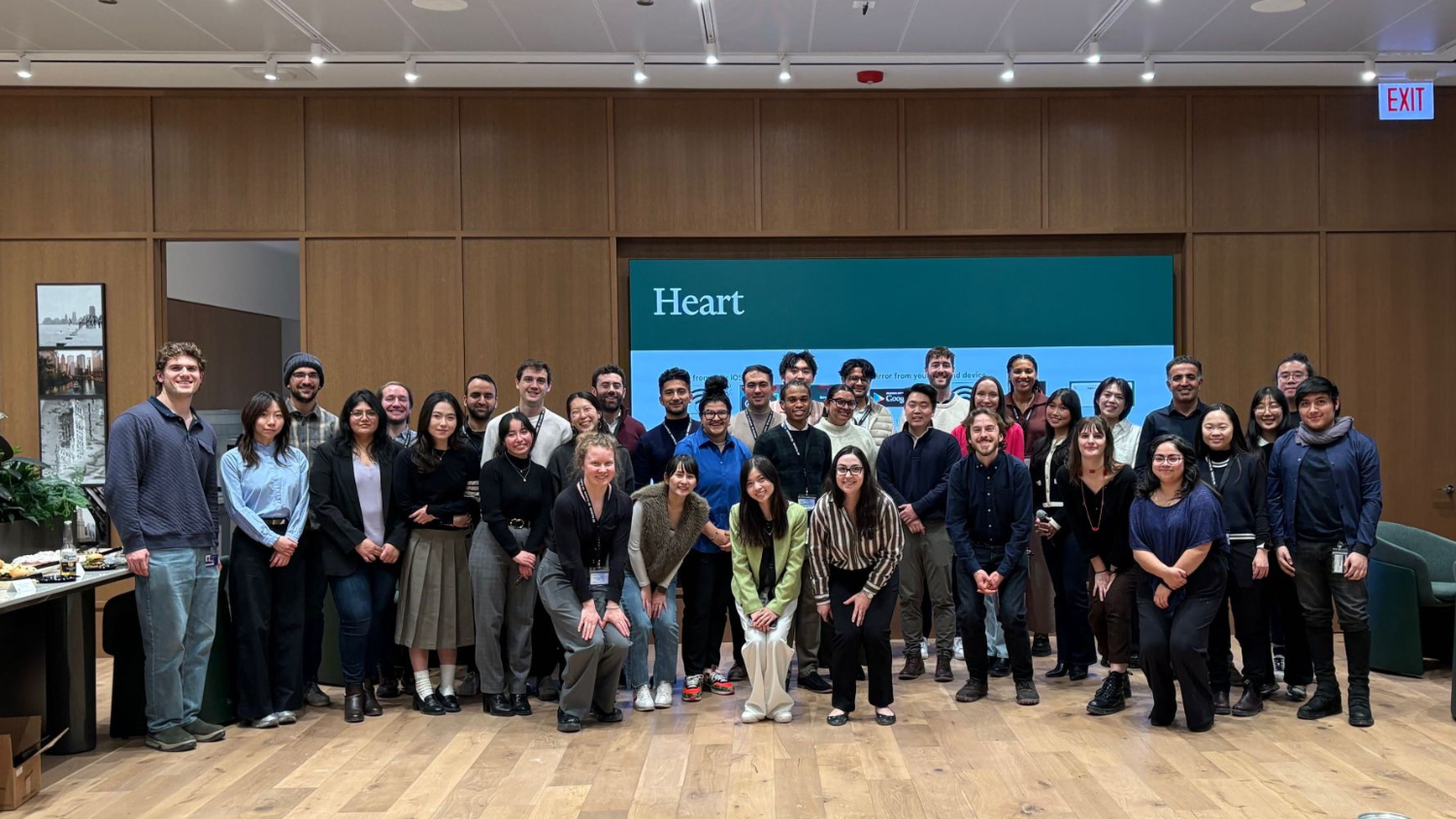
On a spring day in Chicago, a large room fills with energized and excited students, scientists, investors, industry partners, and founders — participants of Nucleate Chicago’s annual Demo Day.
Student attendees have arrived from across the region and from a range of institutions to participate in a life sciences pitch competition, as well as to network with others who are actively shaping the future of biotech, medtech, and ecotech.
Cohort teams will soon step on stage to share publicly – many for the very first time – the companies and technologies they’ve been building over the past year.
This presentation may be a turning point in how the students imagine their futures: an investable company or deployable technology may be just a moment away.
Rewriting the Midwest’s Innovation Narrative
Nucleate is a prominent, student-led nonprofit organization with a mission to reshape access to and participation in life science entrepreneurship. The organization operates in 32 global locations, each offering localized startup resources and ecosystem support.
As one chapter within the global Nucleate network, Nucleate Chicago was created in 2022 to address a persistent challenge: while the Midwest is rich in scientific talent and research institutions, opportunities to translate that science into startups have historically been uneven, with access concentrated largely on the U.S. coasts.
With support from Walder Foundation and other partners, Nucleate Chicago has spent the past several years working intentionally to change that equation.
“One of the biggest barriers I see for early‑stage scientific founders is the gap between academia and industry,” shares Natalia Matiuto, co-managing director of Nucleate Chicago. “Early-stage scientific founders often struggle to clearly communicate the value of their ideas to investors. It’s not that the science isn’t strong — many of these innovations are truly life-changing — but without the language of business and a clear narrative, that value can get lost in the room.”
Lowering Barriers, Expanding Access
At the heart of Nucleate Chicago’s work is its Activator Program, a yearlong accelerator designed specifically for academic founders that culminates with a Demo Day. Unlike traditional accelerators that often assume a high level of startup readiness, the Activator meets students where they are, which is often at the earliest stages of idea formation.
The program provides:
Structured mentorship
Hands-on educational workshops
Exposure to industry experts and investors
A peer community of scientists exploring entrepreneurship together
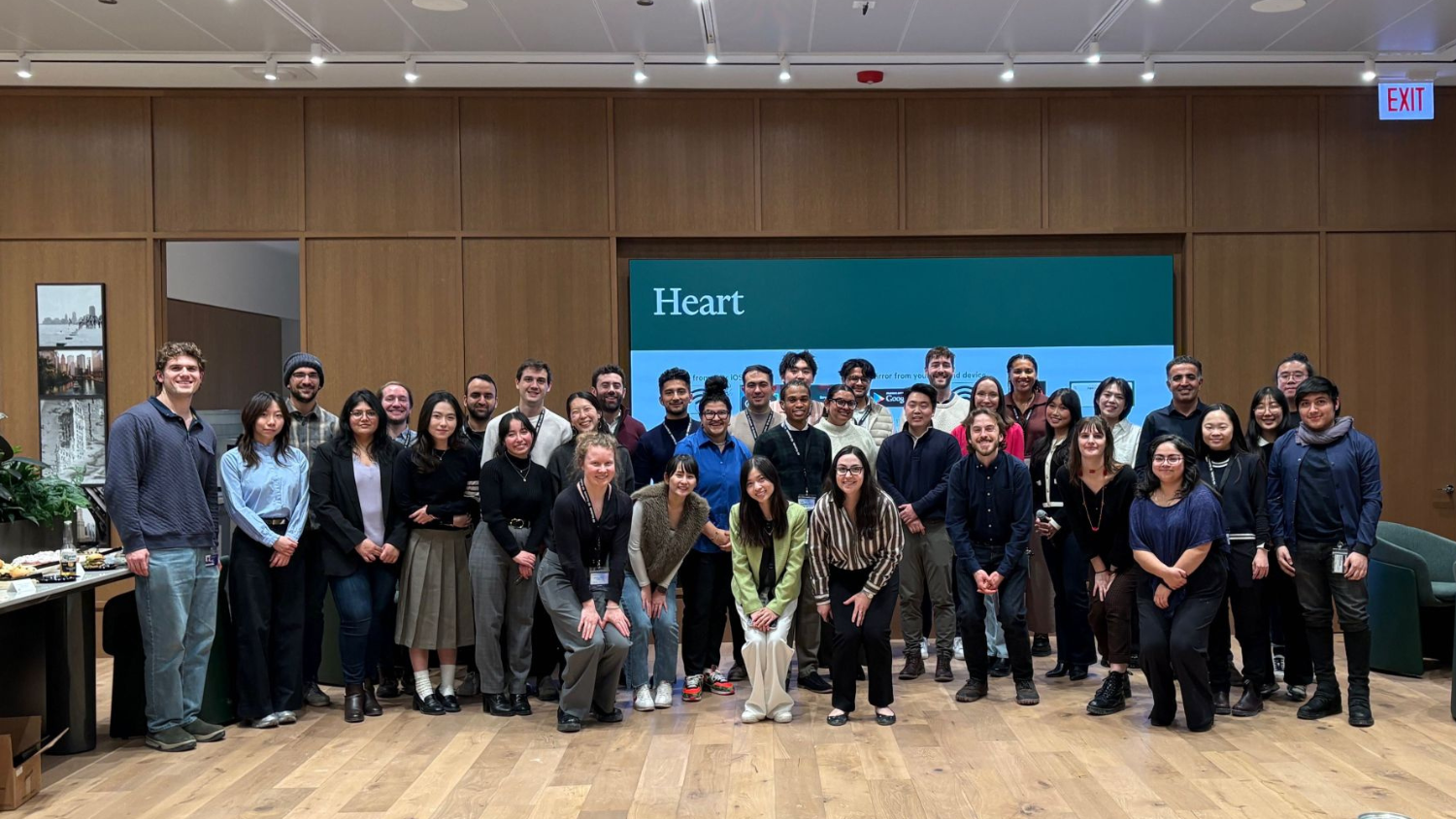

Across four Activator cohorts since their inception, Nucleate Chicago has supported 38 student-led, early-stage venture teams from 12 Midwest institutions. These teams’ interests and developments have been wide-ranging, including therapeutics and drug discovery, diagnostics, medical devices, digital health, sustainability, and ecotech.
By offering travel support, hosting regional showcases, and conducting targeted outreach, the program has helped reduce barriers that often prevent Midwestern founders from accessing startup resources and professional networks.
Demand for this kind of programming has grown steadily. In the most recent application cycle, Nucleate Chicago received an unprecedented number of applications from across the region, including first-time participation from institutions such as Northern Illinois University, Purdue University, and Lake Forest College, underscoring both unmet need and rising interest in Midwest life science entrepreneurship.
Community as Infrastructure
While Nucleate Chicago has become widely recognized for its accelerator programming, it’s leaders often describe community-building as the organization’s most durable impact.
See how this work is unfolding, as shared with our community on social media:
Beyond the Activator itself, Nucleate Chicago hosts regular events and gatherings designed to create points of entry into the biotech ecosystem. From mentorship matching sessions and founder panels to professional development programming such as the Women Leading Life Sciences Dinner, these offerings have connected hundreds of students and early‑career scientists with industry leaders, investors, and peers.

Nucleate Chicago Leadership Happy Hour. Photo courtesy of Nucleate Chicago
Behind the scenes, a leadership team of more than 20 graduate and professional students made this work possible. In the process, these student leaders gain hands-on experience in ecosystem building, partnership development, and organizational leadership, developing and honing skills that extend far beyond those developed in academic programs alone.
Leadership as a Long‑Term Strategy
That focus on leadership development is intentional.
Violet Wu, co-managing director of Nucleate Chicago, notes: “A sustainable biotech ecosystem depends on people, not just companies. Startups may come and go, but the leaders behind them shape how knowledge, capital, and talent circulate over time. In the Midwest, where the ecosystem is still developing, strong leadership is especially important to drive collaboration, attract resources, and build long-term momentum.”
Wu emphasizes that Nucleate Chicago’s leadership team acts as a training ground that exposes students to roles that mirror real‑world biotech functions, from diligence and partnerships to operations.
“This experience is broadly transferable and helps develop individuals who can contribute across the ecosystem as founders, operators, mentors, and investors, ultimately enabling more durable growth,” she shares.
Many former Nucleate Chicago leaders have gone on to take on expanded roles within Nucleate’s national organization or transition into careers across startups, venture capital, and industry — building a leadership pipeline designed to sustain Midwest biotech over time.
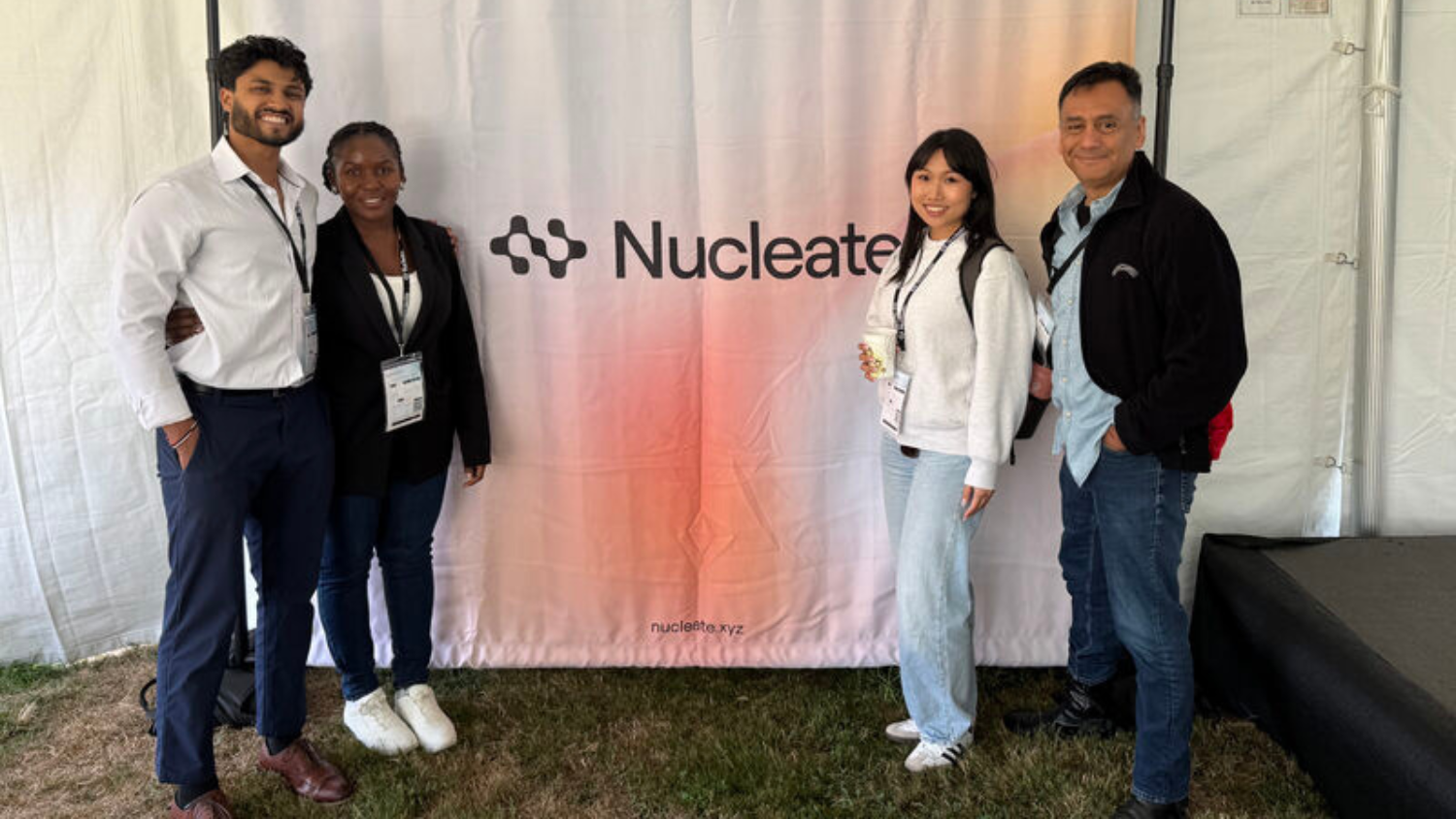
Nucleate Chicago participates in the Nucleate Summit in Boston. Left to right: Sindhu Banerjee, Janet Namutebi, Violet Wu, and Paul Luna. Photo courtesy of Nucleate Chicago
From Programs to Outcomes
The long-term effects of this approach are increasingly visible. Across four cohorts, Nucleate Chicago Activator alumni have collectively incorporated six companies, raised more than $17 million in funding, and helped create dozens of local jobs. Alumni and current teams regularly present at regional and national convenings, increasing both their own visibility and that of the broader Midwest innovation ecosystem.
Nucleate Chicago has also developed a distinctive Eco‑Track within the Activator Program, launched in 2023 to support startups developing climate and sustainability solutions through biotechnology. Backed by Walder Foundation’s early philanthropic support, the Eco‑Track has already helped advance multiple sustainability-focused ventures, further reflecting the Chapter’s responsiveness to regional priorities and global challenges.
Looking Ahead
Nucleate Chicago is entering its next phase with a deeper regional footprint and growing national connections. Looking forward, the organization aims to:
Strengthen partnerships with Midwestern universities, incubators, and research centers
Broaden access to programming for founders across the region
Formalize alumni and mentor networks
Diversify and sustain their funding base to sustain this work long term
Matiuto is energized about what’s ahead.
“The Chicago and broader Midwest biotech ecosystem is...really gaining visibility and growing at a strong pace,” she shares. “More people are getting excited about building biotech startups here, and in response, investors are stepping in and building the infrastructure to support that growth. There’s a clear, bidirectional relationship forming between the startup community and investors, and I’m really excited to see how they continue to grow and reinforce each other. In terms of Nucleate Chicago, we’re also a key part of this ecosystem, and I’m excited about how we’re evolving alongside it.”
Wu is imagining what success could look like over the long term.
“I hope Nucleate Chicago helps normalize biotech entrepreneurship as a viable and accessible path for trainees in the Midwest. Success would mean a robust pipeline of companies founded by scientists who came through our programs, alongside a strong alumni network that continues to mentor, invest in, and build within the ecosystem. I’d also like to see Nucleate Chicago deeply embedded across Midwest research institutions, with strong support from PIs who recognize the value of translational training...Ultimately, this creates a self-sustaining cycle where each generation of founders is supported by those who came before them, and where Chicago is recognized as a leading hub for biotech innovation.”

Candace Tebbenkamp, Program Director, Science Innovation at Walder Foundation (center) has lunch with two Demo Day participants at Nucleate Chicago’s 2025 Demo Day. Photo courtesy of Nucleate Chicago
Stay engaged with efforts from our Science Innovation program area: walderfoundation.org/science-innovation
Get more stories like this delivered to your inbox.
Sign up with your email address to receive news and updates.