Structure, Precision, Progress: The Impact of the Bailey Lab’s CRISPR Research
How philanthropic support powers the tools, techniques, and insights shaping next‑generation genome editing
In 2019, Walder Foundation provided a multi-year grant to Scott Bailey, Ph.D., of Johns Hopkins University’s Bloomberg School of Public Health, and his lab, with a collaborative aim to accelerate structural biology research on clustered regularly interspaced short palindromic repeats (CRISPR).
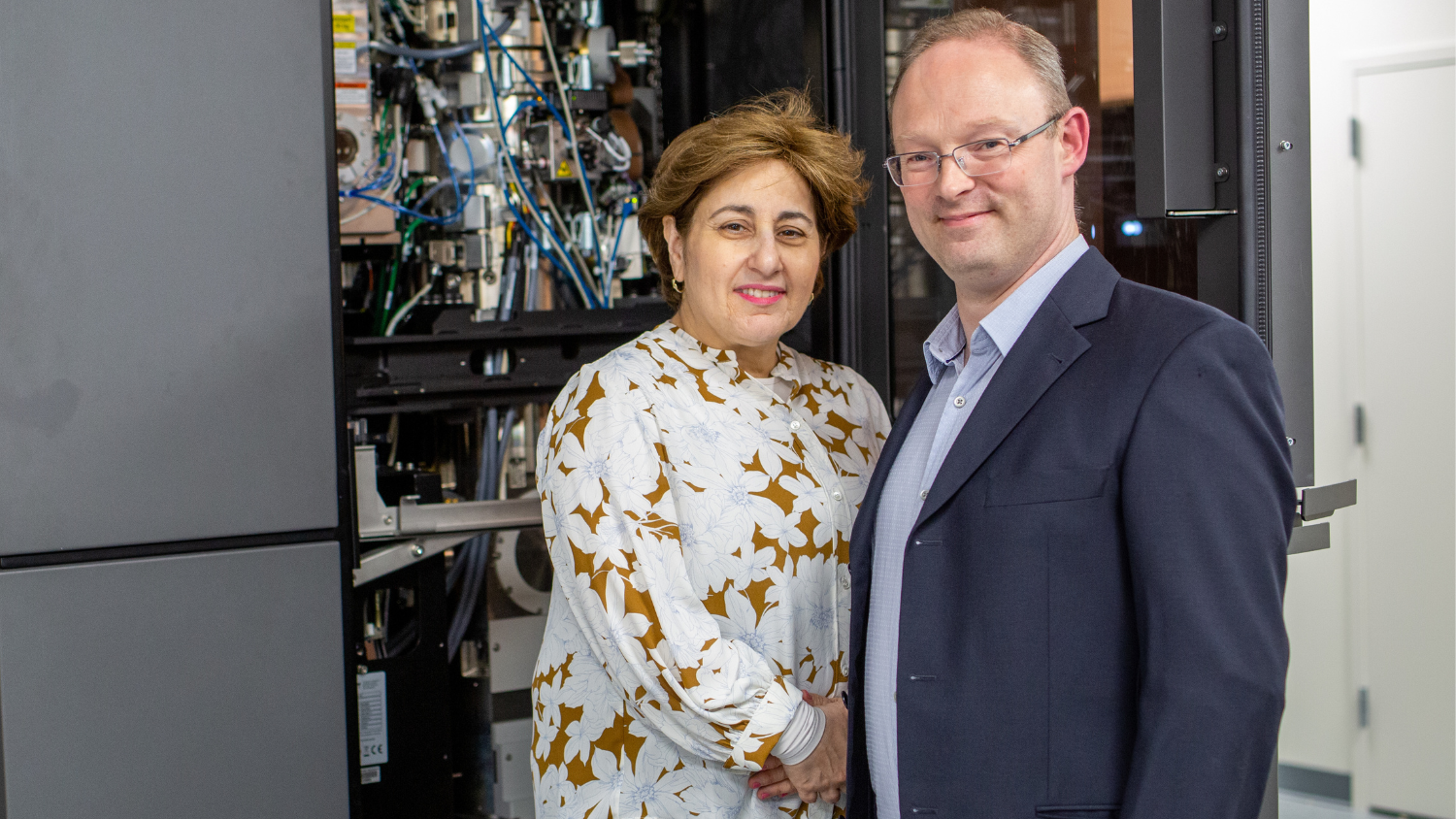
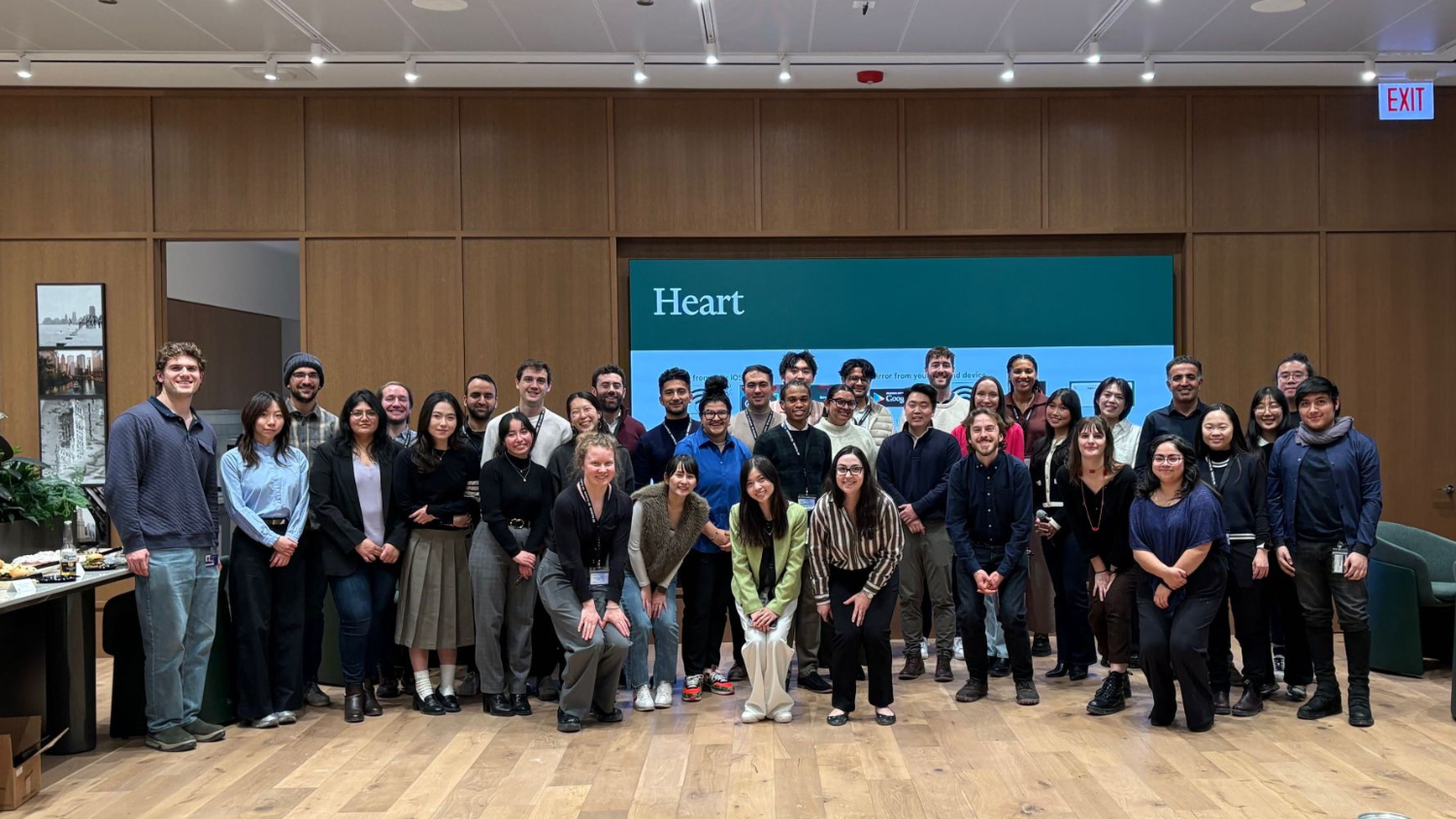
Elizabeth Walder poses with Scott Bailey at Johns Hopkins in July 2019
Photo Credit: Chris Hartlove
The overall goal at the time could be described as “ambitious”: see CRISPR’s molecular machines clearly enough to understand, improve, and one day better control them.
Over time, this high-risk, multi-year Foundation investment enabled the Bailey Lab to transition from X-ray crystallography to cryo-electron microscopy (cryo-EM), a technique that offers high-resolution images of molecules in action. This technological leap was essential to visualize CRISPR’s dynamic, multi-conformational machines and answer questions other methods could not.
Over the last six years, the lab has delivered groundbreaking structural insights.
“The work of the Bailey Lab exemplies Walder Foundation’s science innovation vision: invest early in promising initiatives that aim to strengthen the scientific community, build research capacity, and that may, in time, foster bioeconomic growth,” shared Elizabeth Walder, President and CEO of Walder Foundation. “We recognize that philanthropy is one ingredient among many: the hard work of scientists, federal support, and industry collaborations are all essential. We were honored to provide flexible backing of promising ideas that were then turned into a productive program by Dr. Bailey and colleagues.”
But First...Why Structure Matters for CRISPR
CRISPR systems were discovered in the late 1980's as a type of defense bacteria used to protect themselves against viral infections.
Understanding how these systems work in nature empowered scientists to engineer new uses for CRISPR, most prominently in gene-editing.
Comprehending structure — the detailed 3D shapes of proteins, ribonucleic acids (RNAs), and their complexes — reveals function: how these tools find, bind, and cut DNA.
For CRISPR’s largest, most dynamic complexes, cryo‑EM, not crystallography, have proven to be essential to visualize multiple conformations and protein–nucleic‑acid rearrangements that define function.
“Form elucidates function,” shares Bailey. “It’s critical to understand how something looks on the path to understanding how it works.”
That knowledge is the raw material researchers use to engineer more accurate and precise genome-editing tools with fewer off‑target effects.
What the Bailey Lab Studies and Their Research Advancements
How CRISPR Finds and Interacts With DNA
Bailey and his team used cryo‑EM to watch CRISPR systems like tiny machines in motion, allowing them to see how the Type I Cascade complex searches for the right DNA target and responds when the pairing isn’t perfect. They examined all 12 possible mismatches between the guide RNA and DNA and discovered that it’s the DNA, not the CRISPR machinery, that bends and twists to accommodate errors. They also found that Cascade can tolerate single‑base insertions and deletions at most positions, with the DNA adjusting around these small “typos.” Together, these studies help explain how and why off‑target binding can occur.
How CRISPR Decides What to Do Once It Finds DNA
The team uncovered how CRISPR decides between attacking an invader and recording it for immune memory. Protein Cas8 acts like a molecular switch, changing shape based on a small DNA signal (the PAM). That shape change determines whether CRISPR recruits Cas3 to cut the DNA or the machinery that adds a new spacer to its memory bank. They also captured the precise moment before CRISPR begins cutting DNA, revealing a built‑in safety checkpoint that prevents accidental damage.
How Different CRISPR Types Carry Out Their Roles
The lab generated the first detailed structures of Type I‑B CRISPR systems, the most common type found in nature. These findings showed how these systems verify DNA using shared checkpoints and how their architecture connects to other CRISPR families. For Type III systems, which only attack DNA that is actively being transcribed, the team mapped structures both alone and bound to foreign RNA. They are completing the final structure showing how Type III avoids attacking the cell’s own RNA, key to understanding how this system distinguishes “friend from foe."
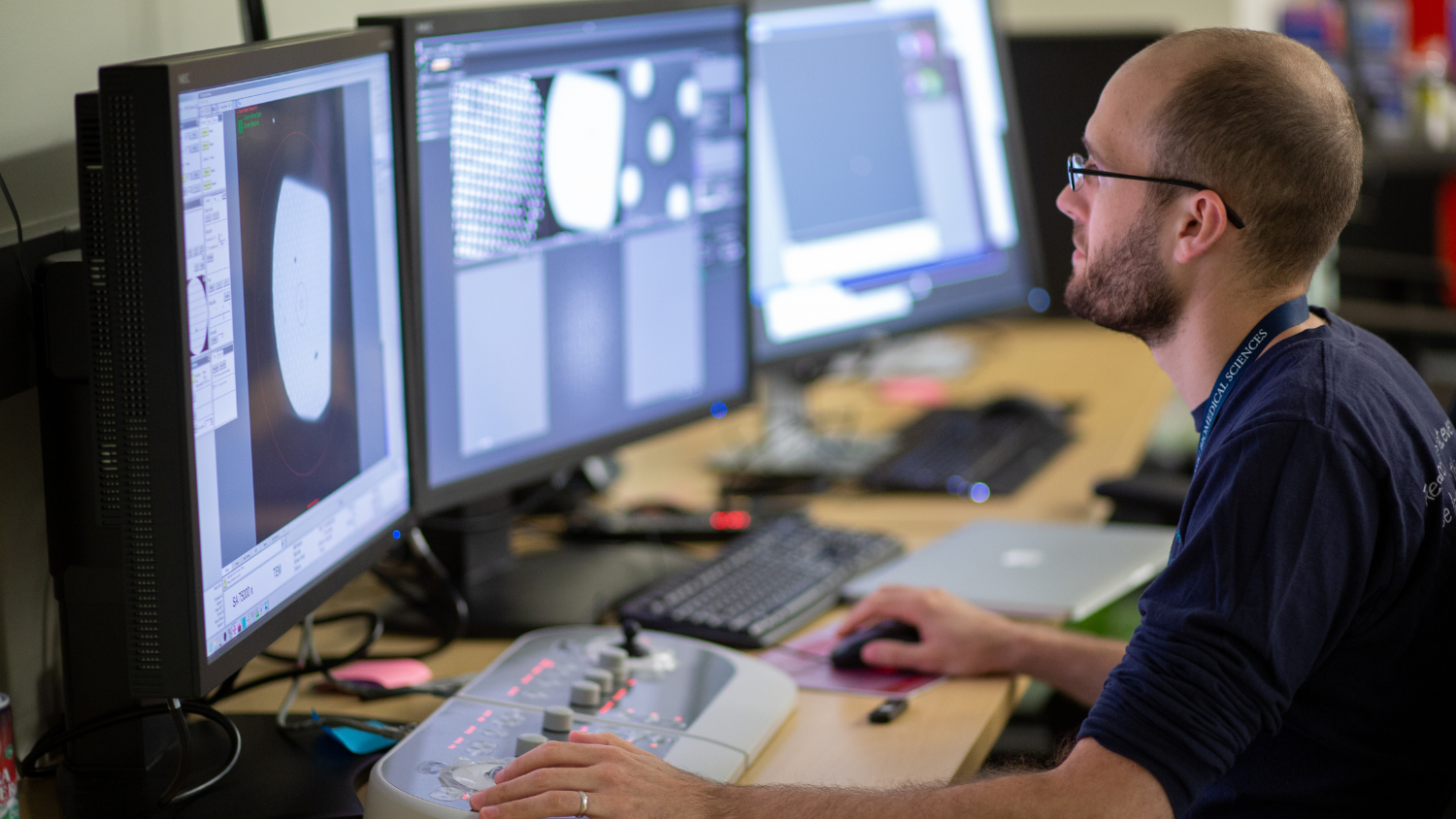
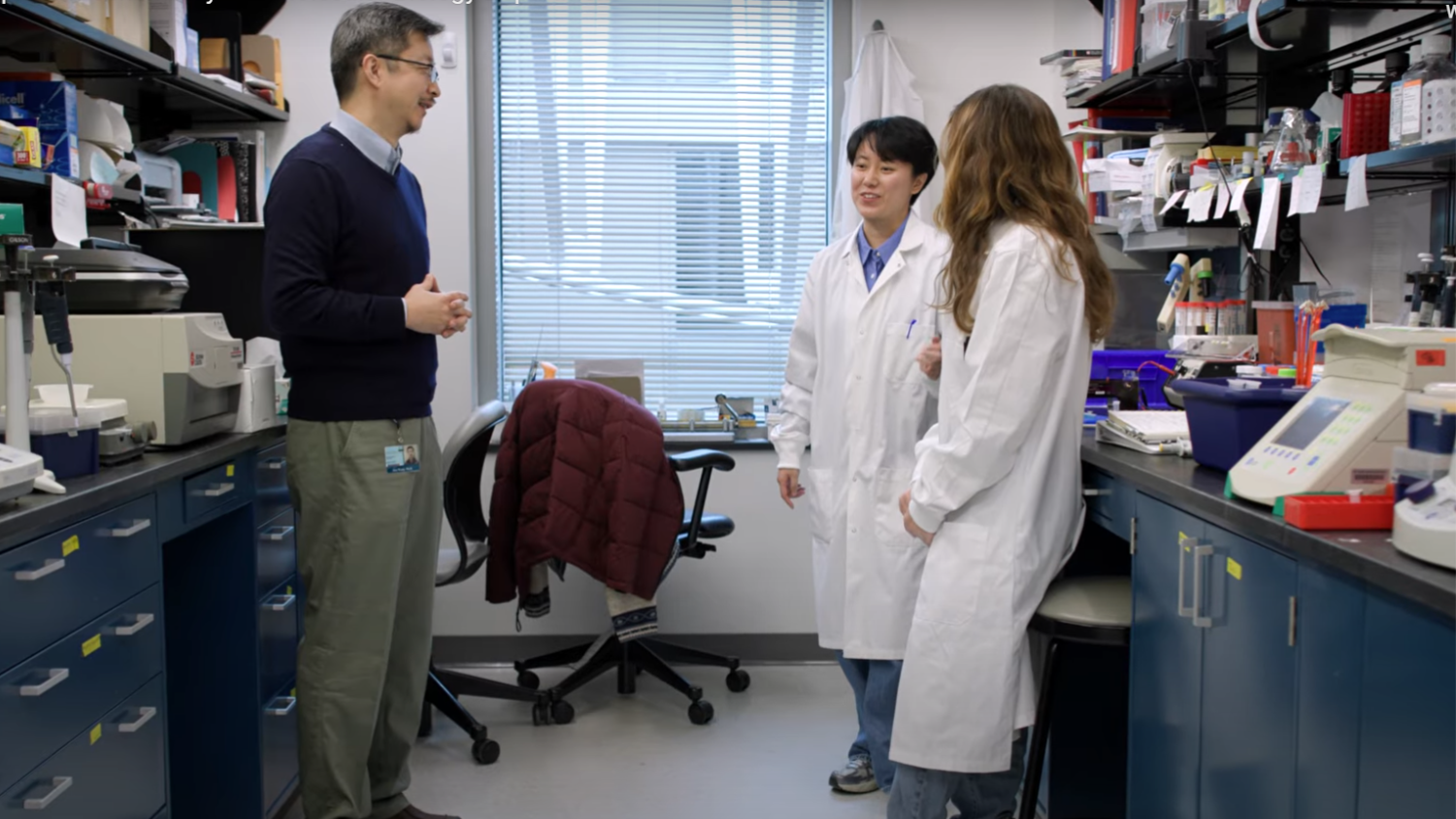
Johns Hopkins researcher examines cyro-EM grid images.
Photo credit: Chris Hartlove
Why this Matters Now
Safer, more precise editing is not an abstract goal; it’s a prerequisite for responsibly moving gene editing into more diseases, tissues, and age groups. The lab’s DNA‑centric mismatch/indel framework and the Cas8 checkpoint models provide design rules for engineering enzymes with tighter specificity and programmable decision‑making, offering a pathway to safer therapeutics.
The past year has offered a vivid reminder of how rapidly CRISPR research is moving toward the clinic: clinicians used a custom, lipid‑nanoparticle‑delivered CRISPR therapy to treat “KJ,” an infant with a lethal urea‑cycle disorder. Their intervention was made possible by structural, mechanistic, and delivery innovations across the field, including the support and innovations of Integrated DNA Technologies, the life science company founded by the late Dr. Joseph Walder.
While the Bailey Lab was not specifically involved in KJ’s treatment, their work tackles the very questions that make future therapies safer: How does CRISPR recognize the right site? What happens when the match isn’t perfect? How do molecular “switches” determine when CRISPR cuts and when it shouldn’t?
Their structural blueprints map the molecular rules that determine on‑target precision and off‑target risk. These insights directly strengthen the scientific foundation required to bring CRISPR therapies from singular patient breakthroughs to broader, safer clinical use.
A Partnership that Unlocked Speed, Tools, and Communication
Walder Foundation’s contributions helped the Bailey Lab to adopt advanced techniques described above, as well as to expand its team, bridging funding gaps and encouraging risks.
“Even before today’s research turmoil, the National Institutes of Health funding is often conservative, placing money on “sure bets,” shares Bailey. “Science moves in leaps that require risks, and this is where foundations come in.”
Beyond lab equipment and training, support also helped launch the Bailey Lab website. This communication tool, in partnership with research presentations and publications, helps the lab share methods and insights with both scientific and lay audiences.
Bailey also notes philanthropic support helps researchers attract other support and collaborations, such as his team’s NIH funding and industry partnerships.
“Walder Foundation’s gift has helped the Bailey Lab leverage other funds and collaborations as our structural and mechanistic work has matured,” he shares.
What’s Next from the Bailey Lab
Looking ahead, Bailey and his team intend to:
Map mismatch tolerance comprehensively and test strategies to make editing “less forgiving” of errors.
Leverage cryo‑EM and complementary methods to capture more snapshots of CRISPR complexes at work, linking structure to function even more tightly.
Keep educating the ecosystem so the public discourse around CRISPR is informed by how these systems actually operate.
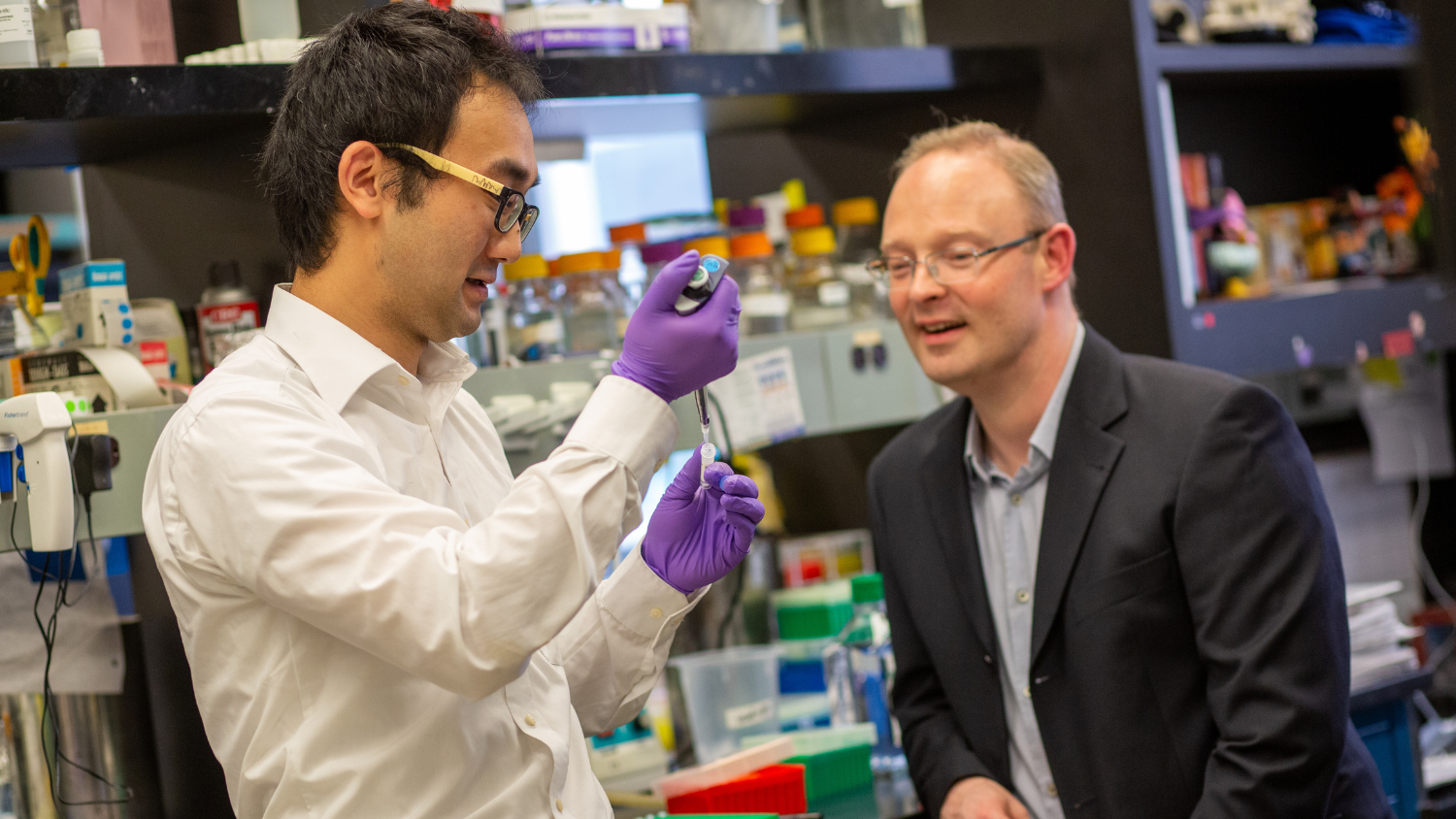
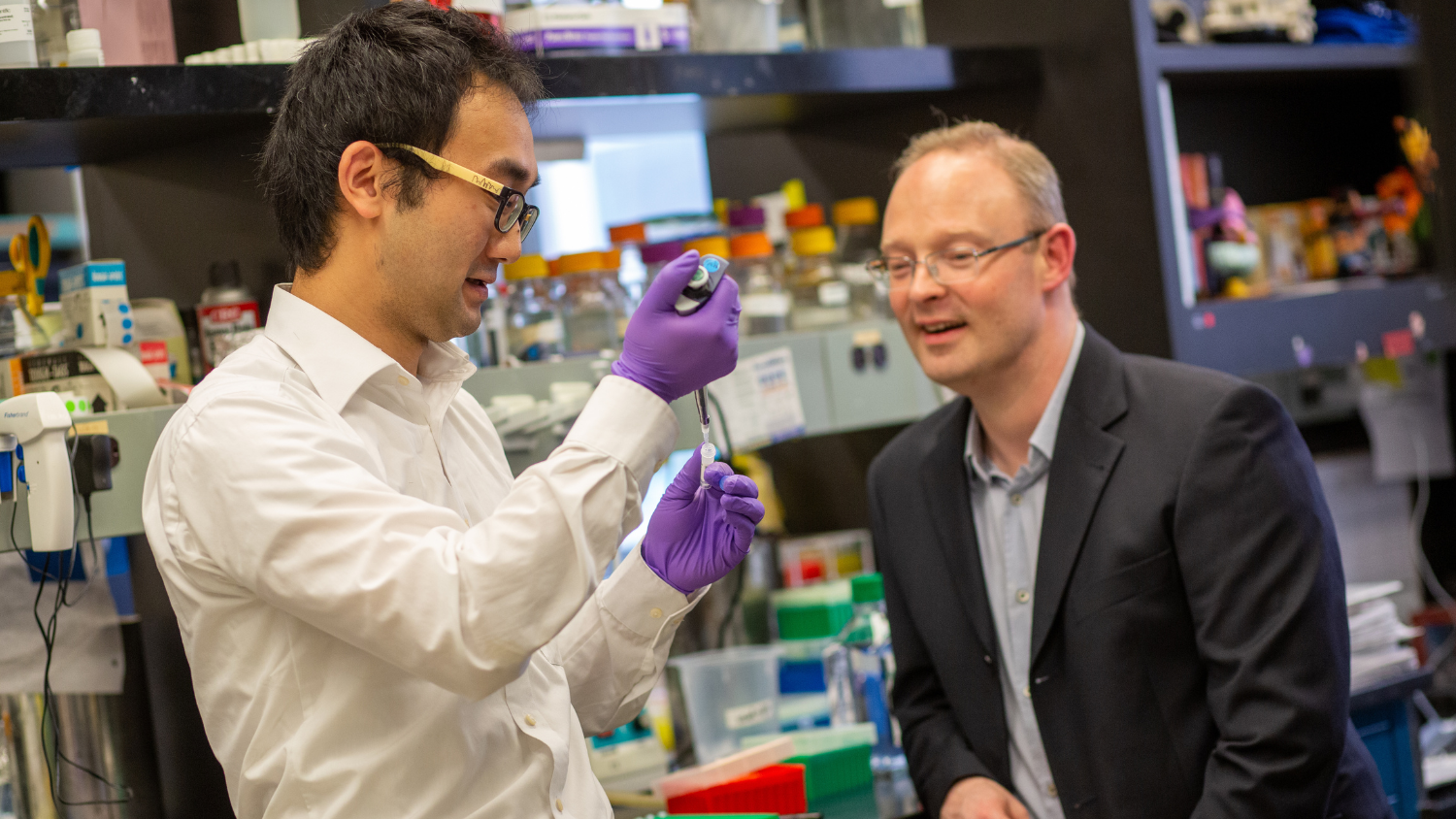
Ph.D. student (now a graduate) Haobo Wang conducts research in the Bailey Lab. Bailey at right.
Photo credit: Chris Hartlove
From Walder Foundation’s 2019 visit to today’s expanded program, Dr. Bailey and his team continue to produce new knowledge, partnerships, and training, with capabilities that may influence the field for years.
Stay engaged with efforts from our Science Innovation program area: walderfoundation.org/science-innovation
Get more stories like this delivered to your inbox.
Sign up with your email address to receive news and updates.