Care that Connects, All Under One Roof
Creating seamless, culturally grounded pathways to mental health support for Jewish youth and families in the Chicago region
When a child starts to withdraw, a teen feels overwhelmed, or a parent senses something isn’t quite right, families often face the same quiet question first: Where do we turn?
National and communal data consistently point to increasing rates of anxiety, depression, and emotional distress among children and teens. For Jewish youth, these challenges may be compounded by heightened stress related to antisemitism and recent geopolitical events, adding another layer to the everyday pressures of school, identity, and belonging.
Across Jewish communities — including across the broad spectrum of Orthodox communities — families must navigate rising child and teen mental health needs alongside cultural, educational, and social pressures that can feel difficult to name, let alone address. Then, they must move from concern to connection without falling through the cracks.
Where should they turn? In the Chicago region, Upward Community offers a well-received model that brings prevention, enrichment, and intervention together under one roof, creating a seamless pathway of care for the many Jewish children, teens, young adults, and families they serve.
A Model Rooted in Connection, not Crisis
Upward Community works to develop emotionally healthy children and young people by creating safe spaces that foster resilience, connection, and growth.
It serves families across the full spectrum of Orthodox practice while also supporting members of the wider Jewish community that are seeking accessible, culturally attuned mental health care.
Its Circle of Support model reflects a simple but powerful belief: the best support systems build strength along the way instead of only reacting to crisis or sensitive situations.
Prevention includes social‑emotional education delivered in partnership with Jewish day schools and high schools.
Enrichment programs create opportunities for teens and pre‑teens to connect, build confidence, and engage in healthy outlets after school hours.
Intervention offers therapeutic services for individuals and families who need additional support.
“Each pillar plays a different role, but they are intentionally designed to work together, inform one another, and evolve with a child or family’s needs,” shares Rachel Karesh, executive director of Upward Community. “It’s not three separate pillars. It’s one continuous circle. Wherever a child enters, they’re already inside a larger circle of support that can expand around them as needed. This creates a seamless experience where families are supported at every stage — without having to navigate it alone.”
See how this work is unfolding, as shared with our community on social media:
Why “Under One Roof” Matters
For years, Upward’s growing programs and clinical services operated across limited space, even as demand continued to rise. Between 2021 to 2024, participation across programming efforts grew by 78%. While the organization added staff and expanded offerings, physical constraints created privacy and coordination barriers.
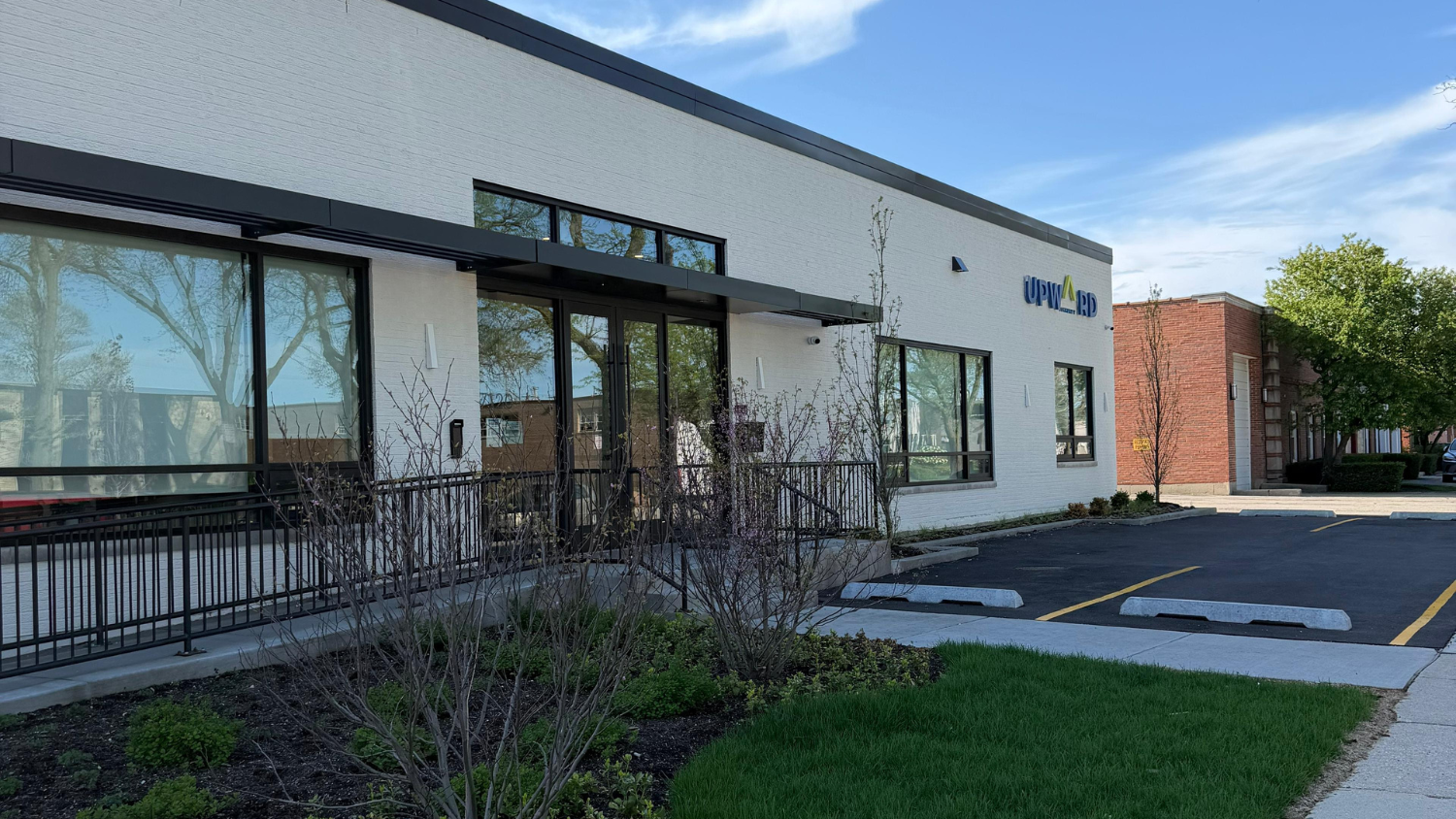
That changed in January 2026, when Upward moved into its new home in Lincolnwood. After an extensive capital campaign and navigating construction requirements and timelines, a facility intentionally designed to bring the entire Circle of Support together opened its doors.
The space includes inviting and secure private therapy offices, therapeutic group rooms, a dedicated, interactive teen lounge, shared resource areas, and welcoming spaces for parents and caregivers.
Just as importantly, the building is fully ADA‑compliant, enabling Upward to expand accessibility and pursue new care options for families who may have previously faced financial or logistical barriers.
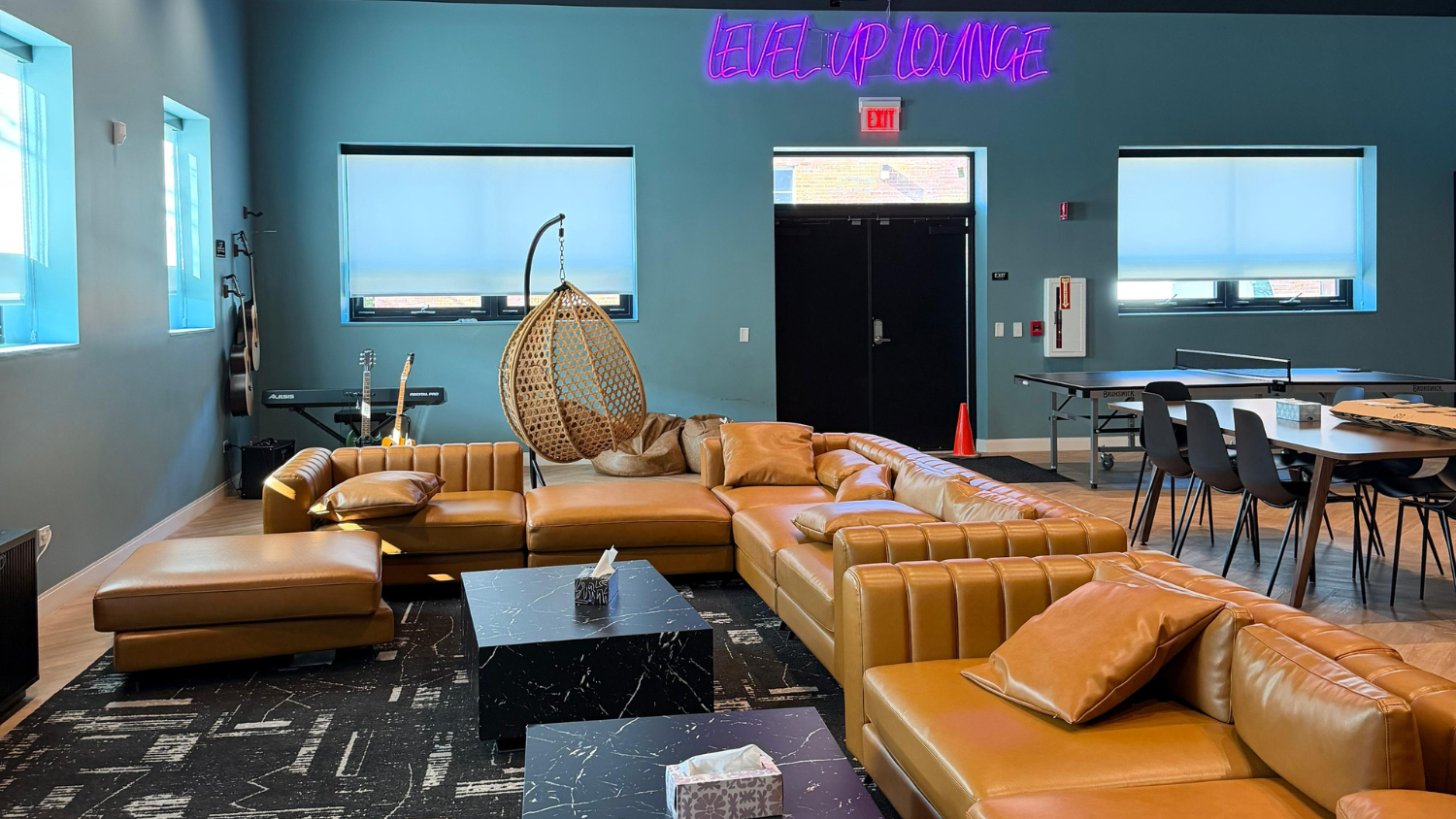
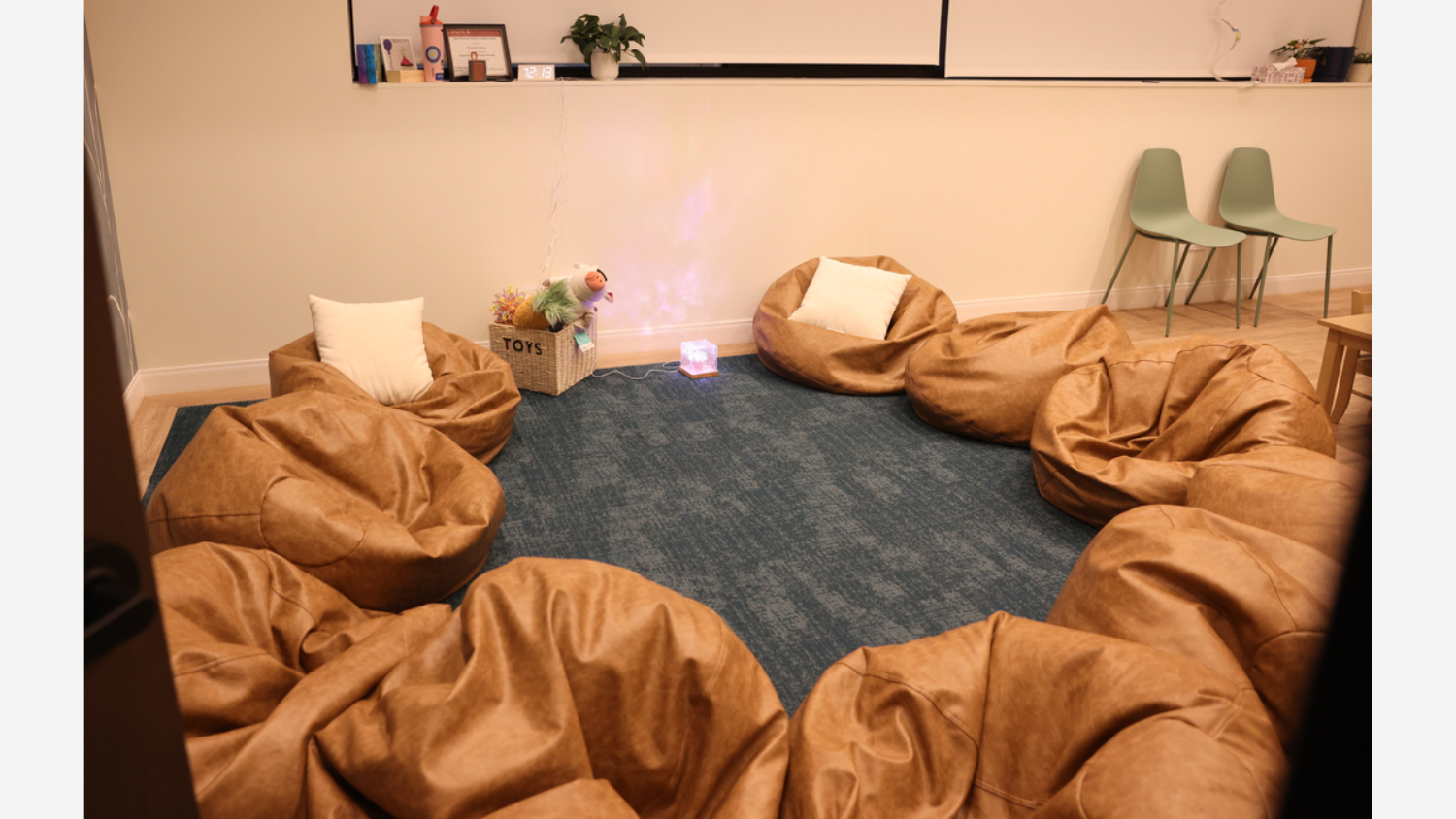
“There’s a level of fluidity of care now that simply wasn’t possible before,” shares Karesh. "Our teams are in constant communication, aligned in their approach, and able to support families in a more coordinated and responsive way — all while maintaining appropriate boundaries and confidentiality. Support feels more connected, more intentional, and much easier for families to navigate.”
Marking a Communal Milestone
In March, community members, partners, and supporters gathered to celebrate a Chanukas Habayis, a dedication of Upward Community’s new home for donors. The evening enabled a collective realization of a shared vision for how Jewish communities can respond to complex needs with compassion and intention.
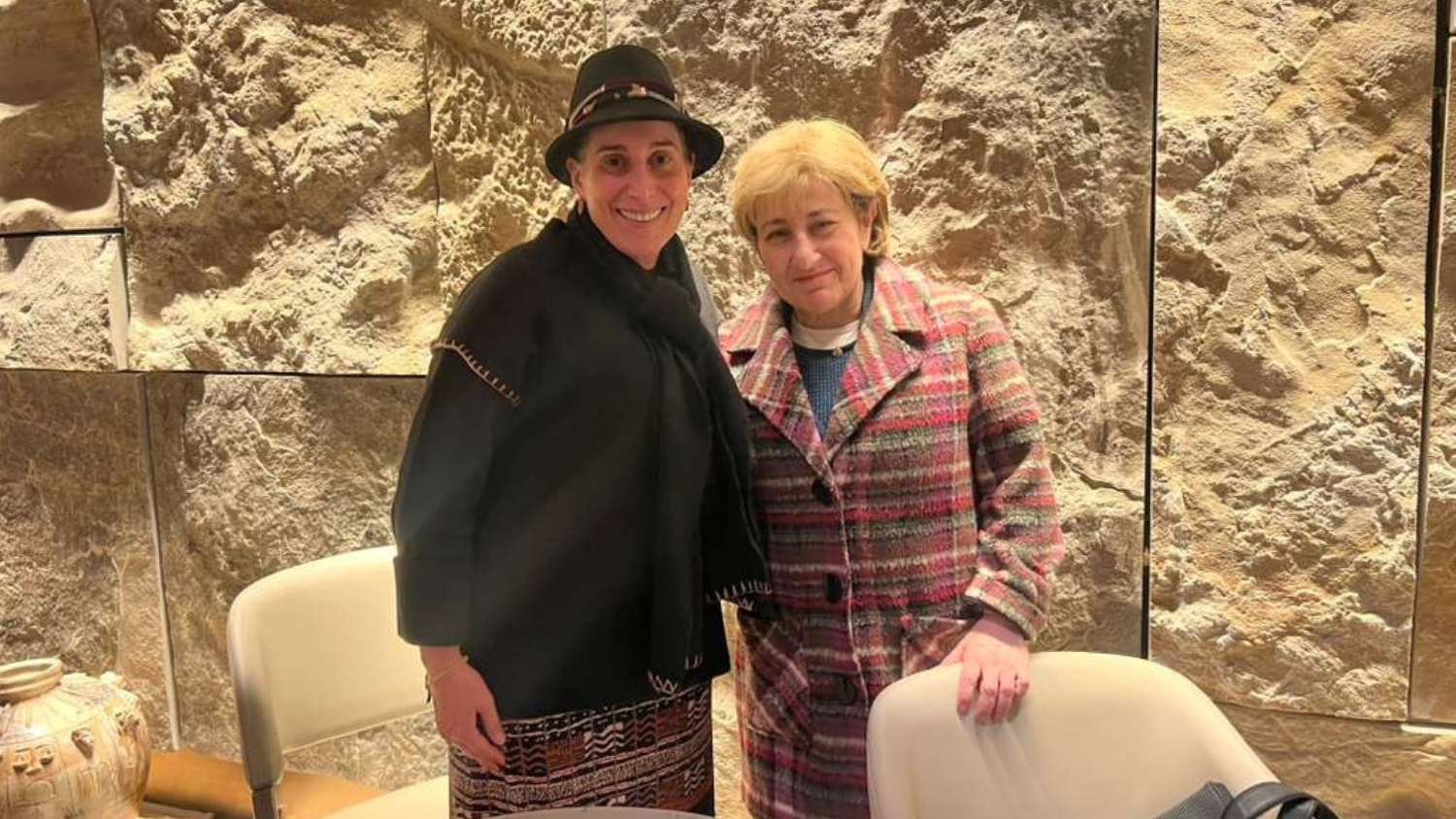
Among those in attendance was Elizabeth Walder, President and CEO of Walder Foundation, who joined families, educators, clinicians, and partners to recognize the significance of creating a space where prevention, enrichment, and intervention live side by side.
Walder Foundation’s support helped name and bring the Circle of Support model to life, affirming a belief that strengthening Jewish life means investing in the mental, emotional, and social wellbeing of the next generation.
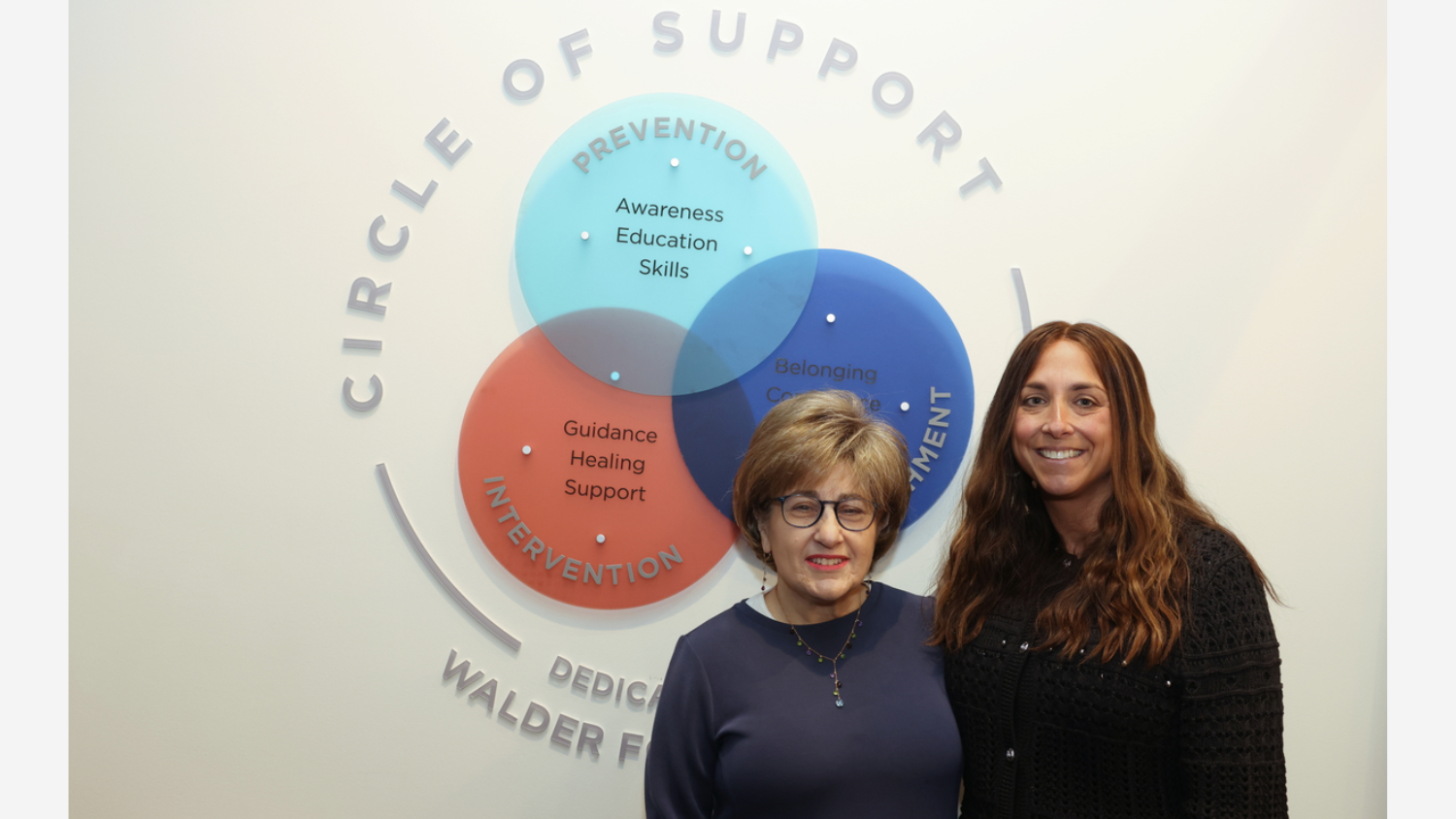
Mrs. Elizabeth Walder (left) and Rachel Karesh, Executive Director of Upward Community, stand by the newly installed Circle of Support sign at Upward Community’s new building in March 2026. Photo credit: Deja Views Photography
“Jewish life is strengthened when families — across communities and life experiences — feel supported, not just at moments of crisis, but throughout their children’s growth,” said Elizabeth Walder. “Upward’s Circle of Support shows how care that is culturally grounded and widely accessible can strengthen the entire community. This space reflects what’s possible when a community builds care together.”
Impact already taking shape
Since moving into the new building, Upward has seen tangible gains: expanded clinical capacity, more consistent therapeutic groups and gatherings, stronger coordination across programs, and the ability to host community events that deepen partnerships with schools and organizations throughout Chicago’s Jewish ecosystem.
Each week, hundreds of touchpoints — classrooms, lounges, therapy sessions, and family conversations — are now connected by design, not just chance.
“There’s greater ease of access, stronger collaboration among staff, and a much more integrated experience for families,” shares Karesh. “We’re able to respond faster, communicate more effectively, and use our space in more intentional ways.”
Beyond logistics, there’s also been a cultural shift.
“When children walk into the space and see both a vibrant lounge and a full counseling center under the same roof, it helps normalize mental health support,” shares Karesh. “It makes mental health support feel more visible, approachable, and part of everyday life. And that’s really the heart of it: Families aren’t navigating what once felt like separate services anymore. They’re stepping into a place that’s designed to hold them, fully.”
As Jewish communities continue to confront evolving mental health needs, Upward Community’s new home stands as a reminder: when prevention, enrichment, and intervention are woven together, the entire community grows stronger.
Stay engaged with efforts from our Jewish Life program area: walderfoundation.org/jewish-life
Get more stories like this delivered to your inbox.
Sign up with your email address to receive news and updates.